
The Swiss Hour at the White House
When time itself sits before power.
Washington, November 2025.
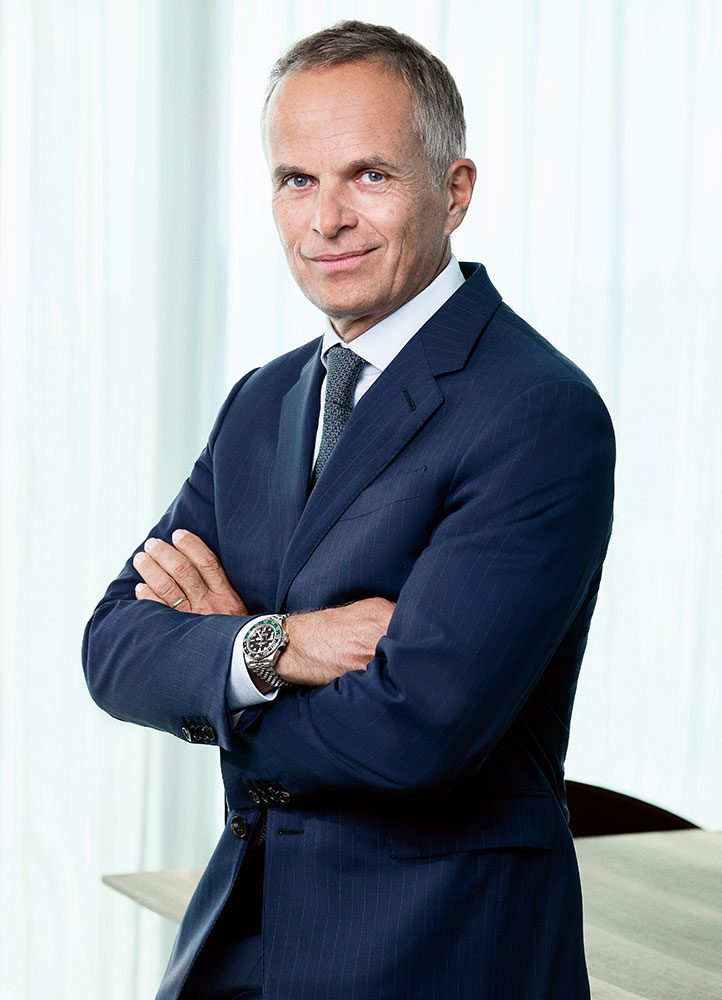
The Oval Office clock struck eleven when Jean-Frédéric Dufour, CEO of Rolex, crossed the threshold of the White House.
He wasn’t alone.
At his side walked the guardians of Swiss time: Johann Rupert (Richemont), Alfred Gantner (Partners Group), Daniel Jaeggi (Mercuria), Marwan Shakarchi (MKS PAMP), and Diego Aponte (MSC).
Six names, six legacies — together representing centuries of precision, discretion, and quiet power.
They came to discuss a number that had become a wound: 39% —
the tariff the Trump administration imposed on Swiss imports.
A figure that doubled what was applied to any other ally,
shaking the pillars of luxury, gold, steel… and time itself.
⸻
The Art of Negotiating with Elegance
There were no flags or formal addresses, only the steady pulse of six men who chose to do what politics could not:
speak the language of reason, not confrontation.
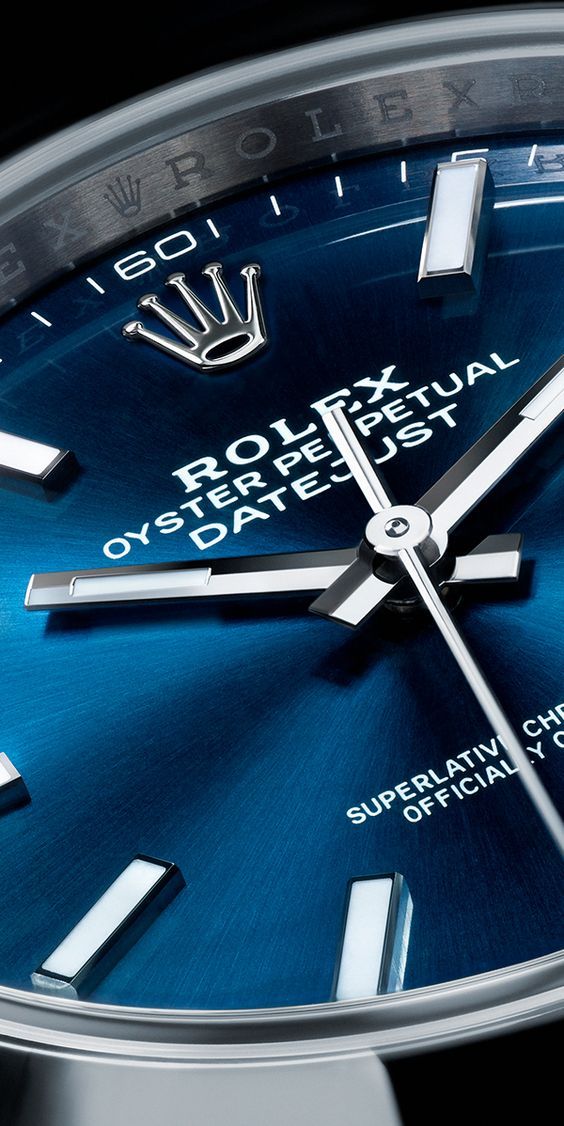
At that table, Rolex became an ambassador —
not of a brand, but of a nation that has turned time into a craft and silence into eloquence.
Dufour spoke of craftsmanship.
Rupert spoke of culture as a bridge between economies.
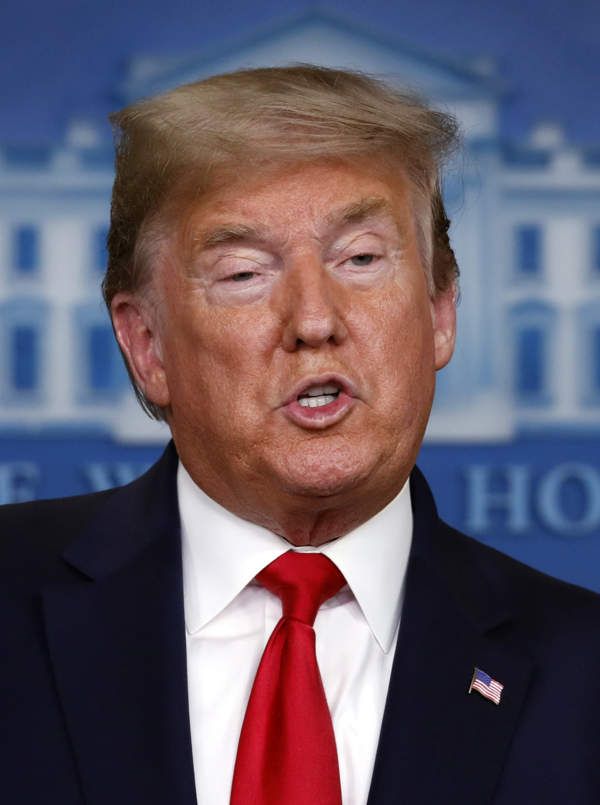
Trump, pragmatic as ever, listened.
And somewhere between their words — between the businessman of luxury and the politician of power — unfolded a scene that felt almost literary:
Swiss precision negotiating with American unpredictability.
When the meeting ended, the President instructed his trade representative to reopen dialogue.
No deal was signed — but something subtler, perhaps more valuable, emerged: the will to speak again.
⸻
Time on Hold and an Industry That Refuses to Stop
Across the Atlantic, Switzerland marked another hour.
Since August, exports of Swiss watches to the United States had plunged 55%.
Rolex, Patek Philippe, Omega, Cartier — all suddenly faced a market inflated by a third overnight.
Manufacturers rushed shipments, filled warehouses, adjusted prices…
but the blow still landed.
And yet, Switzerland did not respond with noise, but with elegance.
Where others protest, the Swiss adjust mechanisms.
A nation built on precision sent not diplomats, but craftsmen and financiers —
to remind the world that patience, too, is a form of power.
⸻
The Symbol Beneath the Cuff
That the head of Rolex should sit across from an American president is no coincidence.
On the wrists of more than one U.S. leader — from Lyndon B. Johnson to Bill Clinton — a Swiss watch once ticked.
The Rolex Day-Date, nicknamed The President, earned its title when Johnson wore it in the 1960s,
cementing the link between timekeeping and leadership.
So when a Swiss watch finds its way back to the White House,
it isn’t just an accessory — it’s a symbol.
A conversation between two civilizations:
one that measures time in dollars,
and another that measures it in centuries.
⸻
The Poetics of Time
This episode carries a lesson beyond economics.
In an age of impulsive decisions and fleeting attention spans,
Swiss watchmaking reminds the world that nothing precious is made in haste.
That a nation can defend its place not with volume, but with precision.
That even before the most unpredictable of powers,
a well-crafted watch remains an unshakable argument.
⸻
Because in Switzerland, time is not sold — it is honored.
And while the world rushes forward, Rolex and its peers perfect it.
© BissetDuany Editorial · Prepared for Publication ·




Leave a Reply